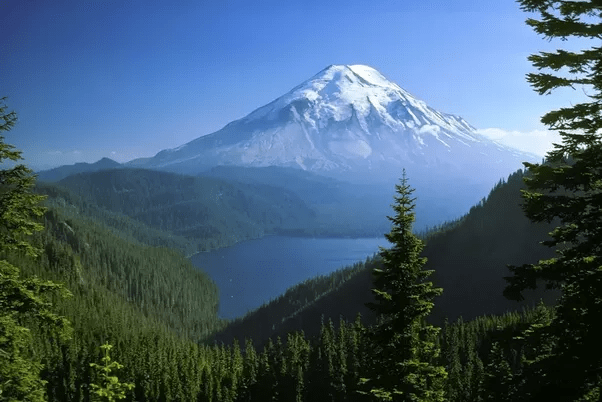
I went to elementary school in Tumwater, Washington which is about 120 miles from Mt. St. Helens. During the month of March of 1980, at school, we held mountain drills to reinforce shelter in place until you can safely evacuate the area. Thankfully, the mountain blew on May 18, 1980 so I didn’t have to wear those ugly face masks. The masks aren’t anywhere near as decorative as the ones we wear today for Covid-19. Being only 2 hours away, we barely had any ash.
“In terms of measurable accumulations, the ash also traveled to central states, including parts of Wyoming, Nevada, Colorado, the Dakotas and Nebraska. The longest distance recorded of the ash fallout was nearly 2,000 miles away from the volcano in the state of Oklahoma!”
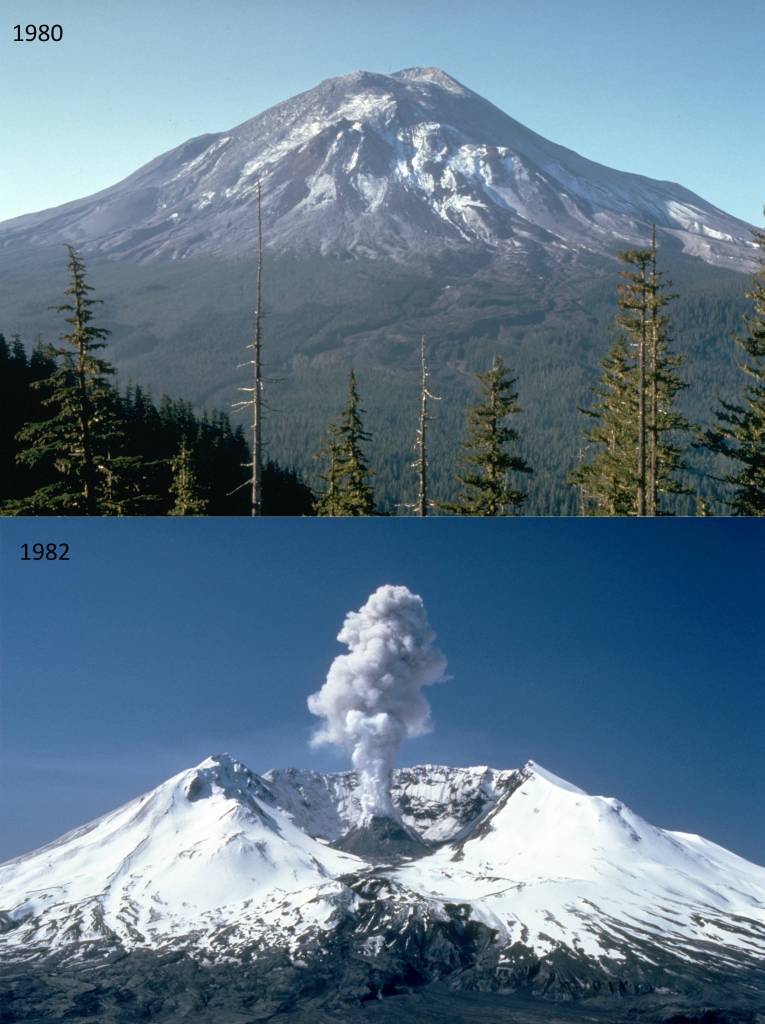
“During the 9 hours of vigorous eruptive activity on May 18, 1980, about 540 million tons of ash from Mount St. Helens fell over an area of more than 22,000 square miles (57,000 square kilometers). The total volume of the ash before its compaction by rainfall was about 0.3 cubic mile (1.3 cubic kilometers), equivalent to an area the size of a football field piled about 150 miles (240 kilometers) high with fluffy ash.”
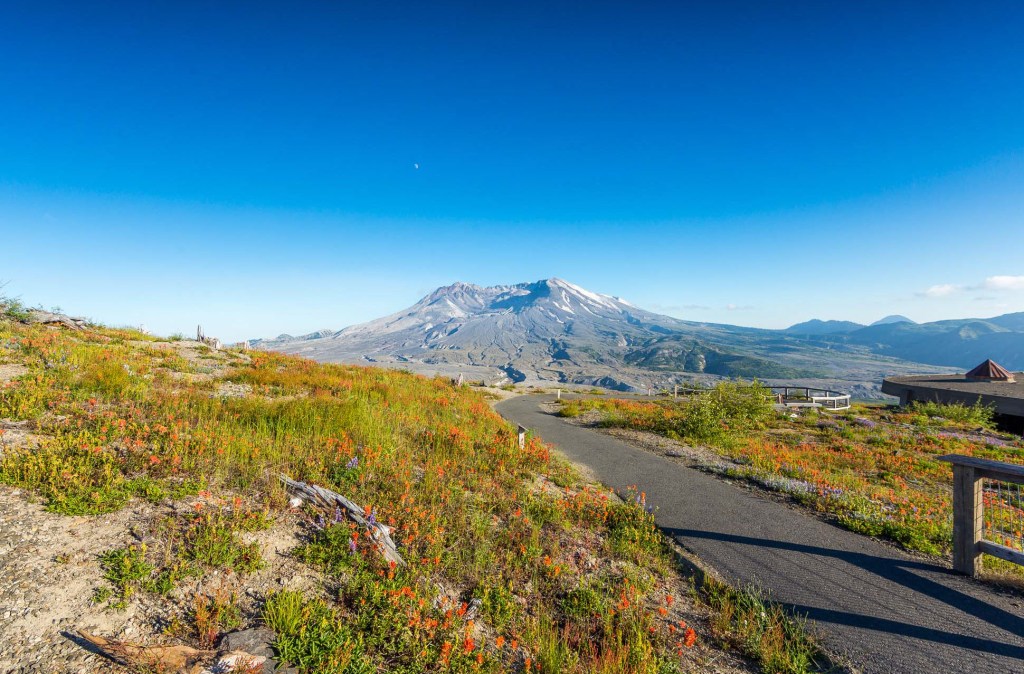
During my teaching years, I brought my science class to Mt. St. Helens. We hiked up to Johnston Ridge. This was a memorable event for students to not only to go hiking, but learn about volcanic eruptions and recovery. The mountain has changed considerably over the years. Live camera view.
If you come to visit Washington, make sure you visit Mt. St. Helens.
 Tribute to Washington State